Beyond Comfort: The Science of Support & Movement
For decades, base layers have continued to cement their position as ubiquitous items for those taking part in almost any activity where movement takes place. Initially they were framed as a simple proposition: keep warm, stay dry, feel comfortable. But in today’s performance landscape, that definition feels increasingly outdated. Regardless of the level of performance or type of activity, comfort is no longer the end goal—it’s merely the baseline. What sits beyond it is a more sophisticated intersection of biomechanics, material science, and human performance.
Modern performance base layers are engineered not just to be worn passively, but to actively work with the body—enhancing movement, supporting muscle function, and enabling athletes of all levels to operate more efficiently.
The Body in Motion
Every movement—whether it’s a sprint, a squat, or a steady endurance run—is governed by a complex system of muscles, joints, and connective tissue. Small inefficiencies in this system
compound quickly. Energy leaks through poor posture, muscle oscillation, or fatigue-induced breakdown in form.
This is where advanced base layer design comes into play
Targeted compression, for example, isn’t about tightness for its own sake. When applied with precision, it helps stabilise muscle groups, reducing unnecessary vibration during movement. This can lead to improved proprioception—the body’s awareness of its position in space—allowing athletes to move with greater control and coordination. The result? Movement that feels sharper, more efficient, and more repeatable under pressure.
Support That Adapts
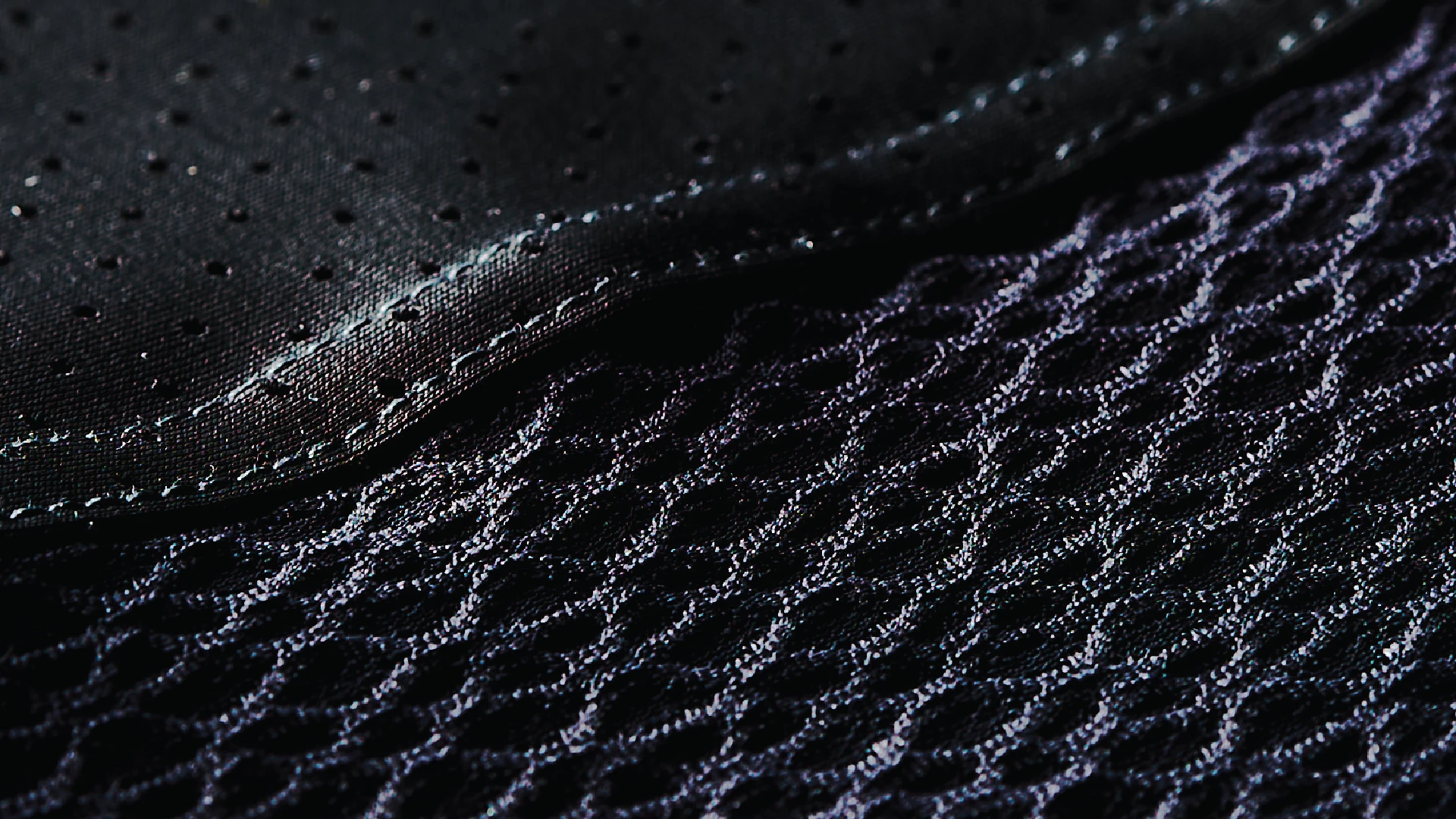
Unlike traditional sportswear, high-performance base layers are intricately mapped to the body. Different zones of the garment are engineered with varying levels of compression, flexibility, and ventilation—mirroring the demands placed on different muscle groups. High-mobility areas such as shoulders and hips are given greater elasticity to enable full range of motion. Core zones may feature enhanced compression to support posture and stability. Meanwhile, high-heat areas are integrated with breathable structures to regulate temperature.
This zonal intelligence creates a second-skin effect—one that moves seamlessly with the athlete, rather than against them.
The Role of Thermoregulation
Performance isn’t just about movement—it’s also about maintaining the right internal environment.
When the body overheats, energy is diverted toward cooling processes rather than output. When it gets too cold, muscles stiffen and responsiveness drops. Effective base layers manage this balance through advanced moisture-wicking fabrics and ventilation systems. By pulling sweat away from the skin and facilitating rapid evaporation, these garments help maintain a stable microclimate. The athlete stays drier, lighter, and more focused—reducing distraction and delaying fatigue.
From Elite Margins to Everyday Gains
At the elite level, marginal gains can define outcomes. A fractional improvement in efficiency, recovery, or endurance can separate first from second. It’s no surprise that professional athletes have long embraced apparel technologies that give them an edge. But the real shift is how accessible these benefits have become.
Today’s performance base layers are not reserved for elite sport—they’re designed for anyone who moves with intent. Whether it’s a weekend runner aiming for consistency, a gym-goer refining technique, or a team sport athlete building resilience over a long season, the right apparel can meaningfully enhance the experience and outcome.
The Takeaway
The evolution of base layers signals a broader change in how we think about performance. It’s no longer just about training harder or longer—it’s about training smarter. About reducing friction wherever possible, both physically and mentally.
The right base layer doesn’t replace effort, discipline, or skill. But it does remove barriers. It supports the body in doing what it’s already capable of—just more efficiently, more consistently, and with greater control.
Comfort got us here. Science and innovation takes us further.
Marginal Gains. Maximum Performance.